
Uncovering the historical evolution of gambling A journey through time
The Origins of Gambling
The history of gambling can be traced back thousands of years, with evidence found in ancient civilizations. Archaeologists have discovered artifacts that indicate gambling activities in China, where games of chance were played using tiles as far back as 2300 BC. Similarly, the ancient Greeks and Romans embraced gambling, incorporating it into their daily lives through various games and betting activities. The betting on chariot races and gladiatorial contests became popular forms of entertainment, highlighting gambling’s long-standing relationship with societal practices. As people explore modern gambling options, they might consider checking out https://wazamba-ca.com/ for an exciting experience.
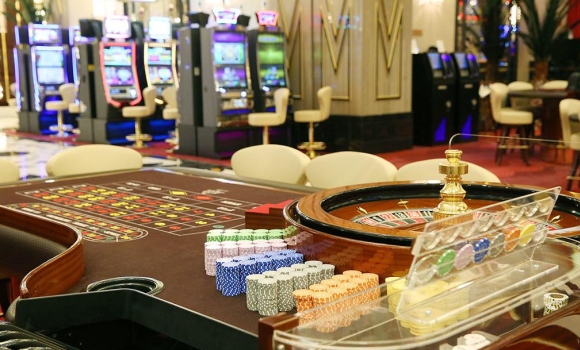
These early forms of gambling were often influenced by cultural rituals and practices. In ancient China, for example, gambling was seen not just as a leisure activity but also as a means to predict the future or make important decisions. This intertwining of gambling with daily life and spiritual beliefs laid a foundation that would influence the evolution of betting practices in subsequent eras.
The use of dice, which were found in multiple ancient cultures, also marked a significant point in the evolution of gambling. Dice games provided a quick and simple way to engage in chance-based activities, transcending cultural and geographical boundaries. As civilizations expanded and interacted, so too did their gambling practices, creating a rich tapestry of games and betting systems that laid the groundwork for modern gambling.
The Development of Gambling through the Middle Ages
The Middle Ages saw a significant transformation in gambling practices, particularly in Europe. With the establishment of trade routes and the rise of the merchant class, new games emerged, including card games, which became immensely popular. Playing cards, believed to have originated in China, made their way to Europe, fostering a culture of both gambling and social interaction. This era marked the introduction of more sophisticated betting activities, including betting on games of skill and chance.
Additionally, this period witnessed the establishment of official gambling regulations. Governments began to recognize the potential tax revenue from gambling, leading to the legalization and regulation of certain betting activities. Public gaming houses emerged, providing structured environments for gambling, which in turn attracted a wider demographic. This transition illustrated a gradual shift from informal gambling among peers to more organized and state-sanctioned forms of betting.
The social dynamics surrounding gambling in the Middle Ages also evolved, as it became associated with nobility and the upper classes. Tournaments and contests offered substantial prizes, leading to increased participation and the establishment of a gambling culture among the elite. This period set the stage for the future commercialization of gambling, as these practices began to be viewed as legitimate sources of entertainment rather than mere vices.
The Rise of Modern Gambling
The 19th century marked a pivotal point in the evolution of gambling with the rise of casinos and betting houses. In Europe, particularly in France, lavish casinos opened their doors, attracting visitors from around the world. These establishments introduced a variety of games, including roulette and baccarat, which are still popular today. The glamour and excitement associated with these casinos changed public perception of gambling, presenting it as a sophisticated form of entertainment.
The introduction of the lottery further revolutionized gambling in the 19th century. Lotteries became a popular means for governments to raise funds, often for public projects. This new form of gambling not only fueled public interest but also inspired the development of more organized betting systems. The increasing accessibility of gambling through state-sponsored lotteries and casinos laid the foundation for the modern gambling industry.
As the 20th century approached, technological advancements began to influence gambling practices. The invention of the slot machine in the late 1800s marked a significant innovation, as these machines became wildly popular in bars and pubs. This shift toward automated games made gambling more accessible to the general public, paving the way for the mass-market appeal that would define the modern gambling landscape.
The Impact of Technology on Gambling
As technology has advanced, so too has the world of gambling. The advent of the internet in the late 20th century introduced online gambling, fundamentally altering how people engage with betting. Online casinos and sportsbooks emerged, offering an unprecedented variety of games and betting options right from the comfort of home. This digital transformation made gambling more accessible and convenient, attracting a new generation of players.
Mobile technology has further expanded the reach of gambling. The rise of smartphones and apps allowed players to gamble on the go, transforming the gambling landscape once again. Many modern online casinos now offer mobile platforms that provide seamless gaming experiences, enabling players to enjoy their favorite games anytime, anywhere. This shift has led to a significant increase in participation rates, as people are more inclined to engage in gambling when it is readily available.
The impact of technology extends beyond just accessibility. Advanced data analytics and artificial intelligence have begun to play a role in personalizing gambling experiences. Online casinos can now use player data to tailor promotions and game offerings to individual preferences, enhancing user engagement. Additionally, technology has introduced new gaming formats, such as live dealer games, which combine the thrill of in-person gambling with the convenience of online play.

Gambling Today: The Role of Wazamba Casino
In the contemporary landscape, online platforms like Wazamba casino Canada exemplify the evolution of gambling. Wazamba casino offers an expansive selection of games, catering to both casino enthusiasts and sports bettors. With a user-friendly interface and a strong focus on customer experience, it represents the modern face of gambling. The site provides various payment methods, enhancing convenience for users and ensuring fast payouts.
The promotional offerings at Wazamba casino, including generous welcome bonuses and free spins, attract new members and encourage engagement. This competitive edge in providing enticing bonuses demonstrates the industry’s shift towards creating value for players, a significant evolution from historical gambling practices. Wazamba’s commitment to responsible gaming also highlights the growing emphasis on player safety and well-being.
As gambling continues to evolve, platforms like Wazamba casino review will likely adapt to technological advancements and changing consumer preferences. The integration of innovative features and ongoing enhancements ensures that players remain engaged and entertained in this ever-changing environment. As we look to the future, it is clear that gambling will continue to evolve, reflecting broader societal shifts and technological developments.
